
Getting Started With Cycling at Any Age
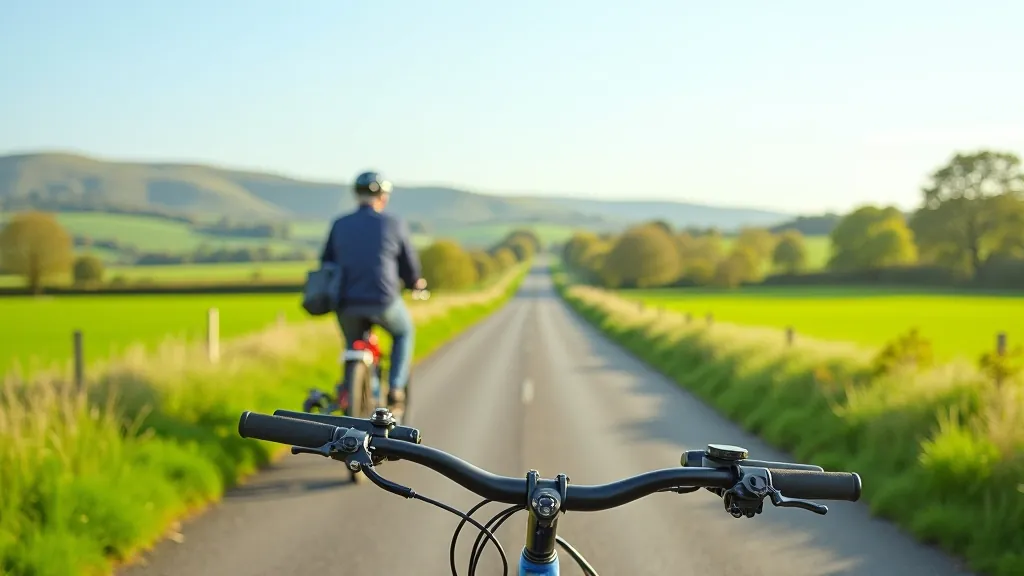
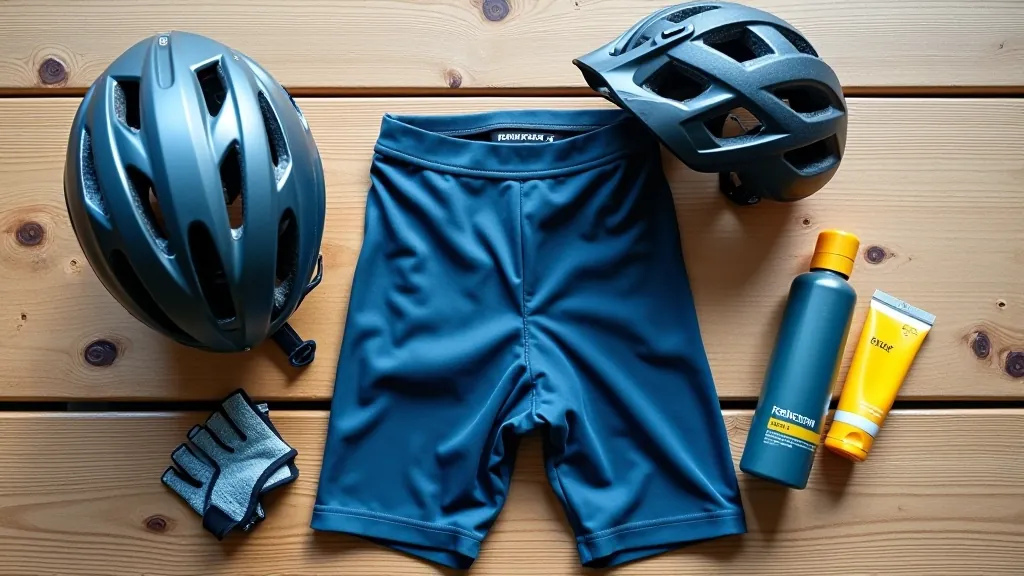
What to look for in a beginner-friendly bike, how to adjust your seat properly, and the basic gear you'll actually need.
A practical approach to increasing distance gradually. Recovery days, pacing strategies, and how to listen to what your body's actually telling you.
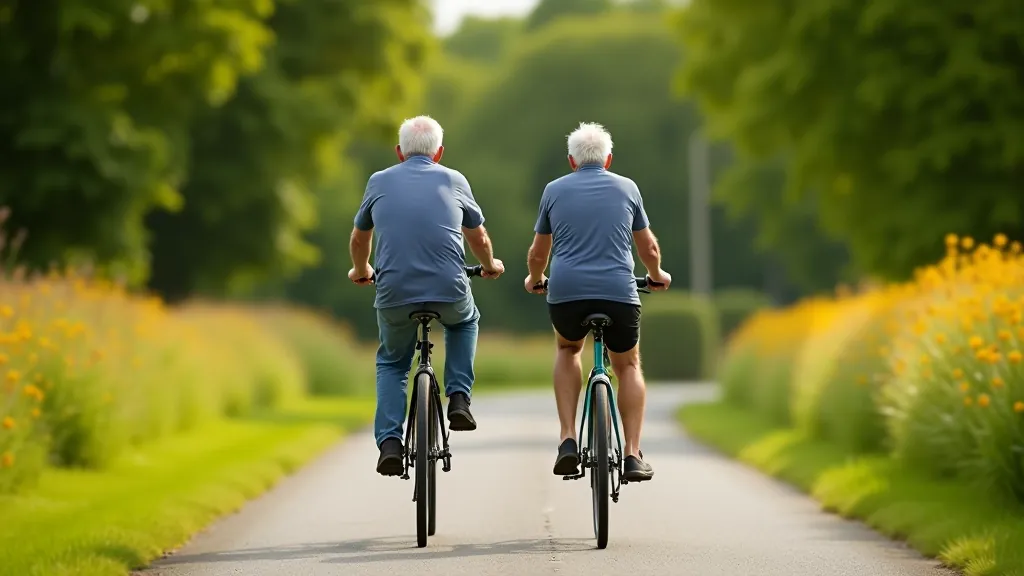
Most people approach fitness like they're training for the Olympics. They hit it hard, they go big, and then their knees start complaining around week three. If you're over 60 and cycling feels like something you want to do for years to come — not just until your body tells you to stop — it's worth thinking differently.
Building real cycling fitness isn't about pushing yourself to the limit. It's about consistency, smart recovery, and understanding what "progress" actually looks like when you're not chasing personal records. We're talking about sustainable improvement where you feel stronger after rides, not wrecked.
You want to ride longer distances comfortably. You want to enjoy it. And you want your body to feel good the next day. Everything in this guide works toward those three things.
Before you map out some ambitious training schedule, you need to know your baseline. How far can you ride right now without feeling exhausted? Not your best day — your typical day. That 15 kilometers on the flat trail? That's your starting point, not something to feel discouraged about.
The problem with most fitness advice is it assumes everyone's starting from the same place. You're not. Maybe you've been cycling once a month. Maybe you haven't ridden in five years. Maybe you cycle regularly but always keep to the same 10-kilometer loop. Your body needs to adapt to whatever you're currently doing, and that adaptation takes time.
Track your baseline for two weeks. Just ride normally. Notice how you feel. Are you out of breath after certain hills? Do your legs feel tired? Is your lower back sore? These details matter because they'll guide what you actually need to work on.

Here's the rule that'll save your knees and your confidence: increase your weekly distance by no more than 10% each week. If you're doing 50 kilometers this week, aim for 55 kilometers next week. That's it.
This sounds tiny when you're thinking big, but your body isn't made for dramatic jumps. Your tendons, your joints, your cardiovascular system — they all need gradual adaptation. Push too hard, too fast, and you don't get stronger. You get injured. Then you're sidelined for weeks and you've lost all the progress you made.
The beauty of 10% is it's sustainable. You'll barely notice the change week to week, but over eight weeks? You've nearly doubled your distance. That's real progress without the risk. Keep a simple log. Write down your distance each week. You'll see the trend even if each individual week feels almost the same as the last.
This is where most people mess up. They think rest is wasting time. It's not. It's when your body actually gets stronger.
Your muscles don't improve during the ride — they improve while you're recovering. When you rest, your body repairs the small damage from cycling and builds back stronger. Skip recovery and you're just accumulating fatigue. That's when you start feeling sore, your mood drops, and you're more likely to get hurt.
A solid routine looks like this: three cycling days with at least one rest day between rides. On rest days, you're not doing nothing — you might walk, stretch, do some gentle mobility work. But you're not cycling. Your legs need a break. Most people find that cycling three days a week with proper recovery produces better results than cycling five or six days and dragging yourself through it.
The guidance in this article is general fitness information. Every person's body is different, and what works for one person might not work for another. If you have existing health conditions, injuries, or concerns about your fitness level, talk to your doctor or a physical therapist before starting any new training program. Sharp pain isn't something to push through — it's your body telling you something's wrong. Regular muscle soreness is normal; injury pain isn't.
You know that feeling when you start a ride and you're flying? You feel amazing and you think you can go forever. Then halfway through, you hit a wall. You're suddenly exhausted. That's because you burned through your energy too fast.
Better approach: start slow. Spend the first 10-15 minutes warming up at a pace where you can still have a conversation. Your heart rate's climbing, your legs are waking up, your breathing settles into a rhythm. Then you can push a bit harder if you want. But most of your ride should be at that comfortable conversation pace.
On hills, ease off the pace. You don't have to hammer up every climb. Shift into an easier gear, go slower, keep your heart rate controlled. You'll get to the top. It might take an extra 30 seconds, but you'll still have energy for the rest of your ride. That's the difference between a good ride and a ride where you're struggling the last few kilometers.
Once you've been consistent for a few weeks — and I mean actually consistent, three rides a week every week — you'll notice something. Distances that felt hard don't feel as hard anymore. A 20-kilometer ride that used to leave you wiped out now feels manageable. That's your body adapting.
This is when you can start pushing toward longer distances. Maybe you pick one ride a week as your "long ride" and gradually increase that distance. The other two rides stay at your comfortable distance. This structure works because you're not overloading your body every single day.
The goal with longer distances isn't speed. It's endurance. Can you ride 30 kilometers comfortably? 40? 50? The pace matters less than the ability to sustain it. Most cyclists over 60 find that they can build impressive distances — the full Great Southern Greenway is 55 kilometers and plenty of riders in their 60s and 70s do it — when they've trained properly and paced themselves right.
Building fitness without overdoing it isn't complicated. It's three things: start where you are, progress gradually, and take recovery seriously. You don't need to be a superhero. You need to be consistent. The 10% rule keeps you safe. Recovery days keep you healthy. Proper pacing keeps you enjoying the ride instead of suffering through it.
The cyclists who actually ride for years — the ones who are still out on the trail at 75 — aren't the ones who trained like they were 25. They're the ones who respected their bodies, built fitness carefully, and learned to love the process more than the destination. That's what sustainable cycling looks like.