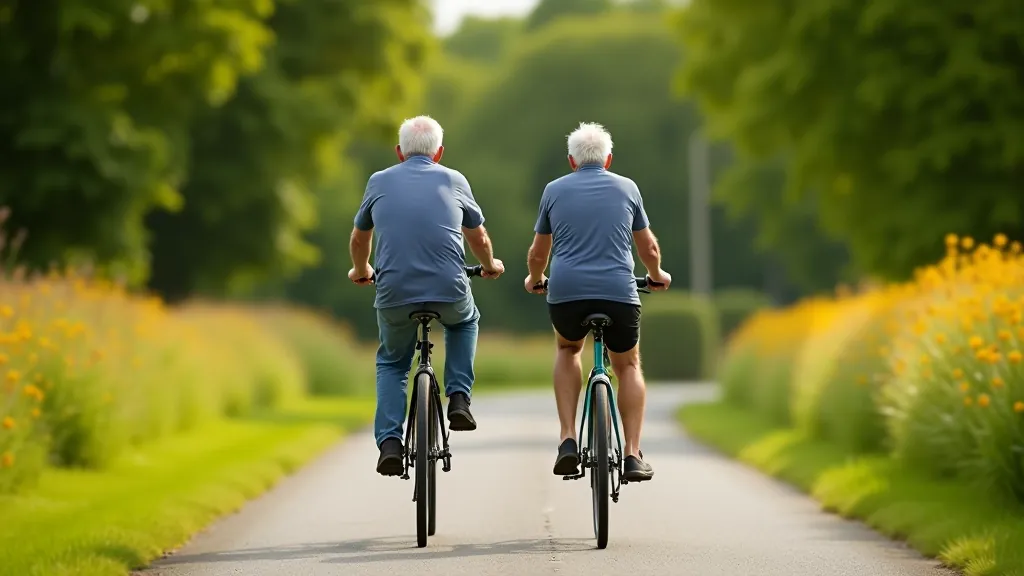

Getting Started With Cycling at Any Age
What to look for in a beginner-friendly bike, how to adjust your seat properly, and the first steps toward building confidence on two wheels.
A mile-by-mile breakdown of the Limerick to Kerry route. Rest stops, scenic viewpoints, and tips for breaking it into comfortable day trips.
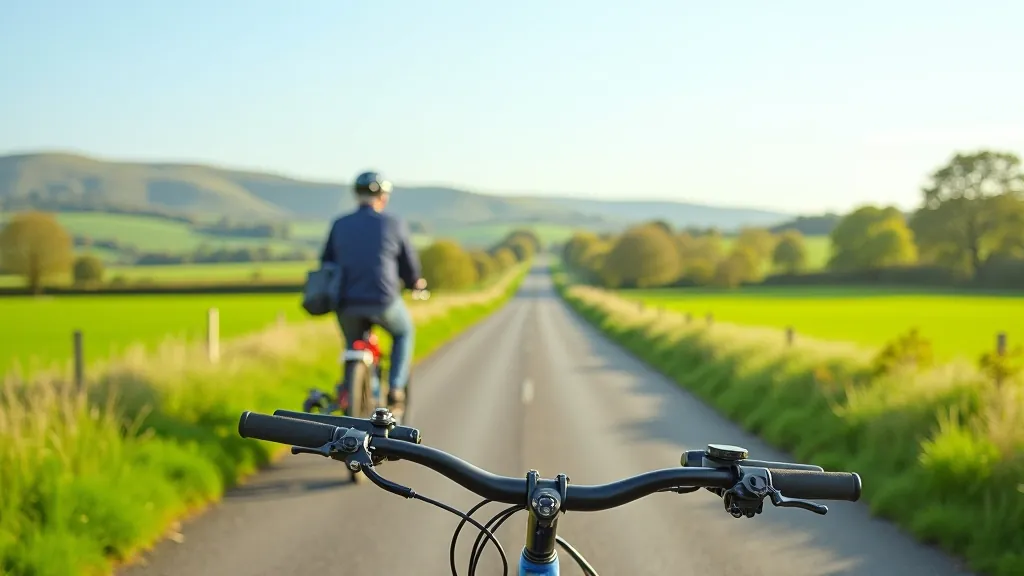
The Great Southern Greenway isn't just another cycling path — it's 40 kilometers of thoughtfully designed route that connects Limerick and Kerry without a single major road crossing. We've been cycling this route since it opened, and it's genuinely changed how seniors approach outdoor activity in the Southwest.
What makes it special? The gradient's gentle, the surface is smooth, and you're never more than a few kilometers from a rest stop or refreshment spot. That's not accidental. The route was designed with accessibility in mind, which means whether you're returning to cycling after years away or you're already fairly active, there's a version of this ride that works for you.
You'll start near the Limerick docks, where the path follows the River Shannon for the first stretch. It's a lovely introduction — not steep, mostly tree-lined, and you get a feel for the rhythm pretty quickly. The first 8 kilometers take about 35-40 minutes at a relaxed pace.
There's a small café and water fountain at Ballinacurra, which is your first natural stopping point. Don't feel pressured to push through. Lots of people we know stop here, have a cup of tea, chat for 20 minutes, then decide whether to continue or head back. That's perfectly valid — the whole point is enjoying yourself, not racing.
Tip: The surface here is newer than some sections, so it's particularly smooth. If you've got dodgy knees, this opening bit is a good test to see how you're feeling before committing to the full route.
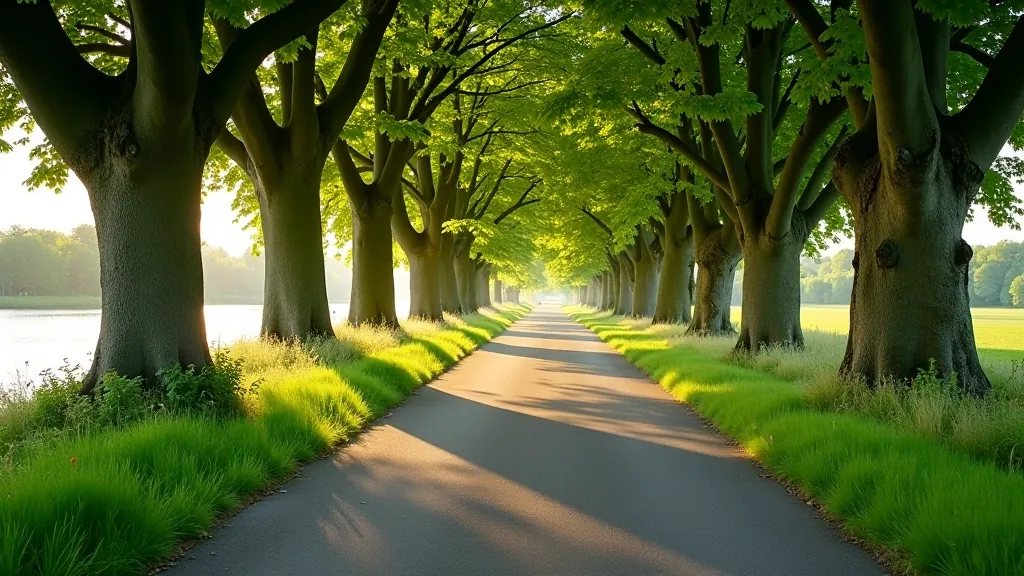
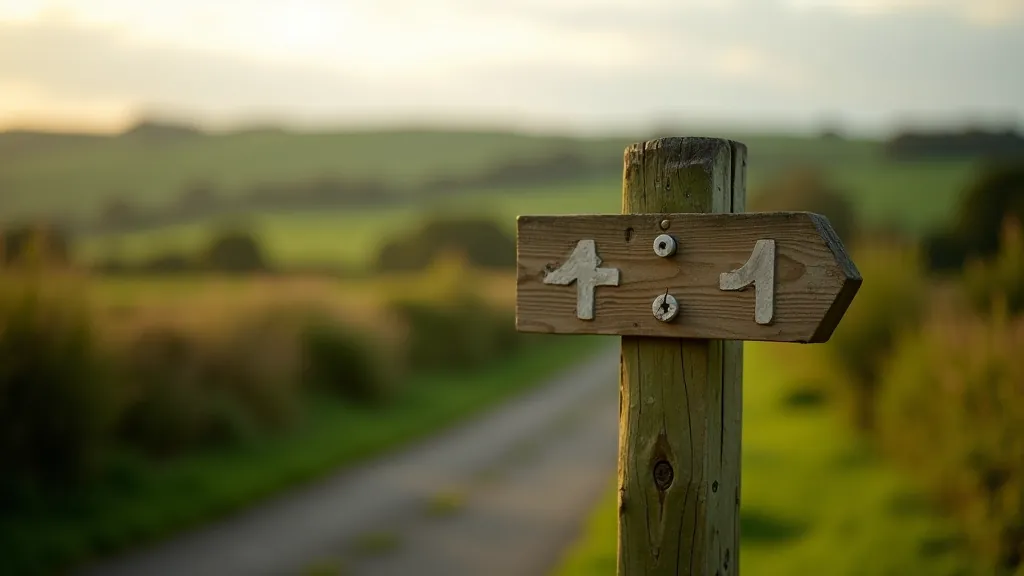
This 12-kilometer stretch is probably the most rewarding part of the route. You're away from any towns, genuinely surrounded by farmland and small forests. The path widens here in places, and there's a slight elevation change — nothing dramatic, but enough that you notice you're working a bit.
Rathkeale has a proper village center with a few shops and restaurants. We'd recommend stopping here for lunch if you're doing the full route in one day. Most people take 45 minutes to an hour, grab a sandwich, sit down, and let their legs recover a bit. There's also a bike repair station at the main rest area if you need to adjust anything.
What's nice about this section? It's quiet. You'll see other cyclists, but it doesn't feel crowded. That's one of the reasons people come back — it's peaceful without being lonely.
"Wasn't sure I could do the full 40 kilometers, honestly. But splitting it into two days made all the difference. My legs aren't what they used to be, but the path's so flat and well-maintained that I didn't feel like I was struggling. Now I do it every other month."
The final 20 kilometers take you through more varied landscape — you'll pass through a couple of smaller villages and the terrain gets a touch more interesting. There's a bit more elevation here than the opening sections, but we're still talking about gentle slopes that most riders can manage without much difficulty.
Newcastle West is your endpoint, and it's worth arriving with some energy left because the town has excellent facilities. There's a proper cycling café, public showers, and lockers if you need them. Plus restaurants and shops for proper food and refreshment once you've finished.
The last few kilometers are genuinely beautiful — you're cycling through farmland with views toward the Ballyhoura Mountains. On clear days, the visibility's excellent. Bring a camera or just stop for a few minutes and take in the view. You've earned it.
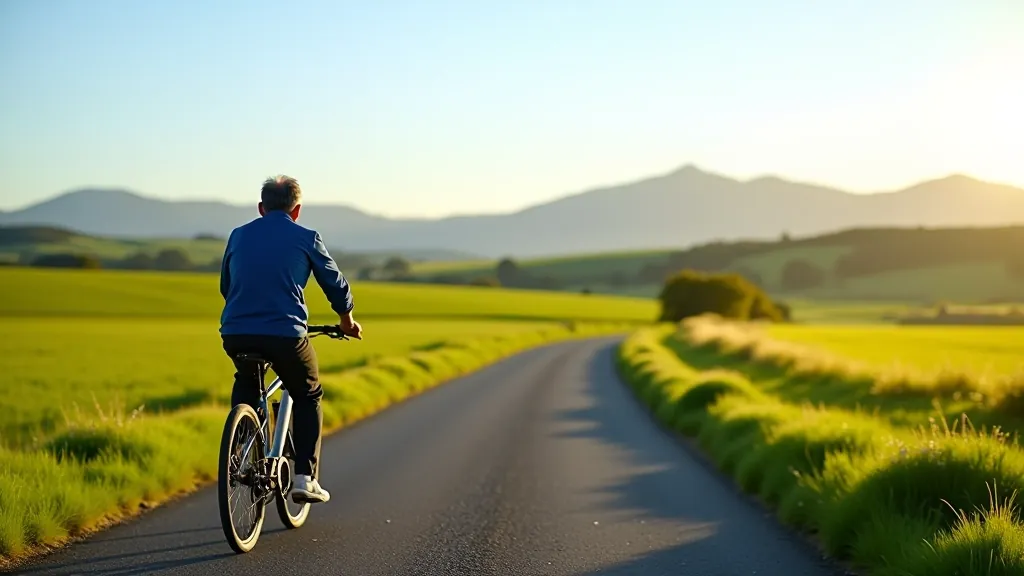
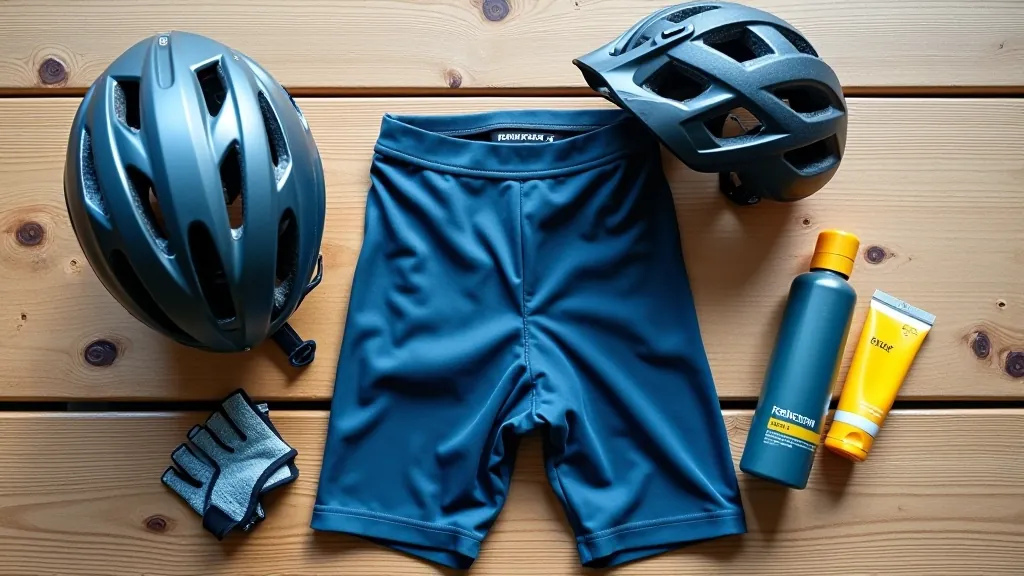
Bring more water than you think you'll need. Even on cool days, you'll be surprised how much you drink once you're moving. Two water bottles is our minimum recommendation.
Sunscreen, sunglasses, and a hat. You're exposed for 3-4 hours, and the reflection off the path is real. Apply sunscreen before you leave, not halfway through.
Download an offline map or grab a printed route guide. Phone signal's spotty in places, so don't rely entirely on GPS. The path is well-marked, but it's good to know where the rest stops are.
A tire repair kit, pump, and multi-tool don't take much space. You won't need them most days, but if you get a puncture 15 kilometers from anywhere, you'll be grateful.
Leave in the morning if possible. You'll avoid afternoon crowds, and you'll have better light for photos. Plus, you're fresher early on, which makes a real difference.
Energy bars, nuts, fruit — something you can eat without stopping. You don't need much, but a little fuel halfway through keeps your energy stable.
This guide is informational and based on typical conditions along the Great Southern Greenway. Actual conditions, services, and facilities may vary due to weather, maintenance, or seasonal changes. Always check current local conditions before your trip. If you have health concerns or haven't cycled recently, consult your GP before undertaking any significant physical activity. The route is suitable for most fitness levels, but individual experiences vary — listen to your body and don't push beyond your comfort zone.
The Great Southern Greenway isn't a race. It's an opportunity to spend time outdoors, get some movement in, and see the Irish countryside from a perspective most people miss when they're driving. Whether you do it in one day, split it over two days, or just ride one section at a time, you're doing it right if you're enjoying yourself.
We've seen people discover they're capable of so much more than they thought once they get on this path. Something about the flat terrain, the beautiful views, and the community of other cyclists creates an environment where people want to keep coming back. It's worth the drive from wherever you are in Ireland.
Start with the full route if you're confident. If not, do the Limerick to Ballinacurra section, then Ballinacurra to Rathkeale another day. Build your confidence, enjoy the experience, and remember — there's no such thing as doing it wrong.