
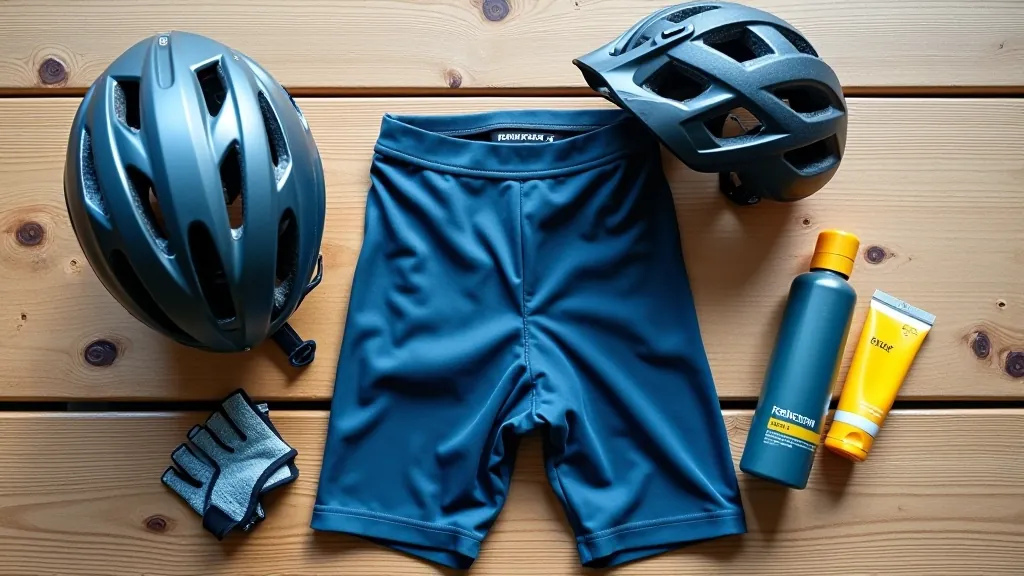
The Foundation: What You'll Actually Use
Let's be honest — you don't need a garage full of cycling gear to enjoy riding. Most beginners overthink this part. We've seen plenty of people show up with expensive kit they've never used, then realize the basics make all the difference. Padded shorts, a decent helmet, and gloves aren't fancy. They're practical. They keep you comfortable enough to focus on enjoying the ride instead of dealing with discomfort.
"I wasn't going to buy padded shorts until my backside made me. Best investment I made. Now I can actually ride for two hours without pain."
— Maureen, age 68
The three items that make the biggest difference are padding, protection, and visibility. Everything else builds from there. You'll notice relief within the first few rides with proper shorts. Your wrists and palms stop aching with decent gloves. And you'll feel genuinely safer with a helmet that fits properly. That's not marketing — that's just physics and comfort.
Padding & Comfort: Where Most People Start
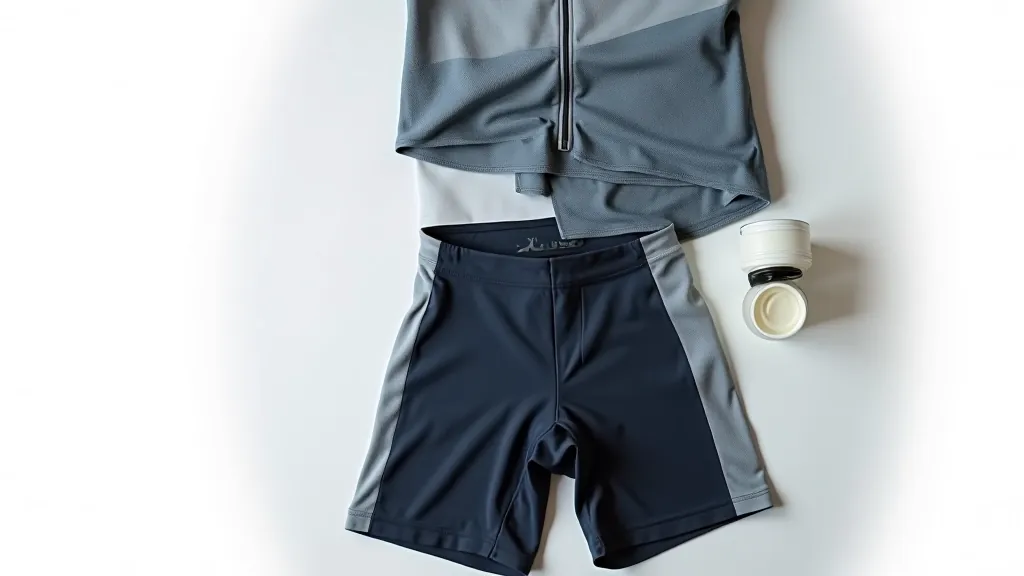
Padded cycling shorts aren't optional for anyone riding more than 30 minutes at a stretch. They're not a luxury — they're a necessity. The padding sits in specific areas that take pressure on long rides. After the first week of riding without them, you'll understand why every cyclist swears by them. Women's shorts typically have a wider, softer pad. Men's are narrower and firmer. Get the right fit for your body, and you'll add at least an hour to your comfortable riding distance.
The material matters too. Look for moisture-wicking fabrics that dry quickly. Chamois cream helps reduce friction and irritation on longer rides. It's a small thing, but it extends your comfort window significantly. We've seen people who couldn't manage 45 minutes comfortably go to 90-minute rides just by upgrading their shorts and adding cream to their routine.
Protection & Visibility: Non-Negotiables
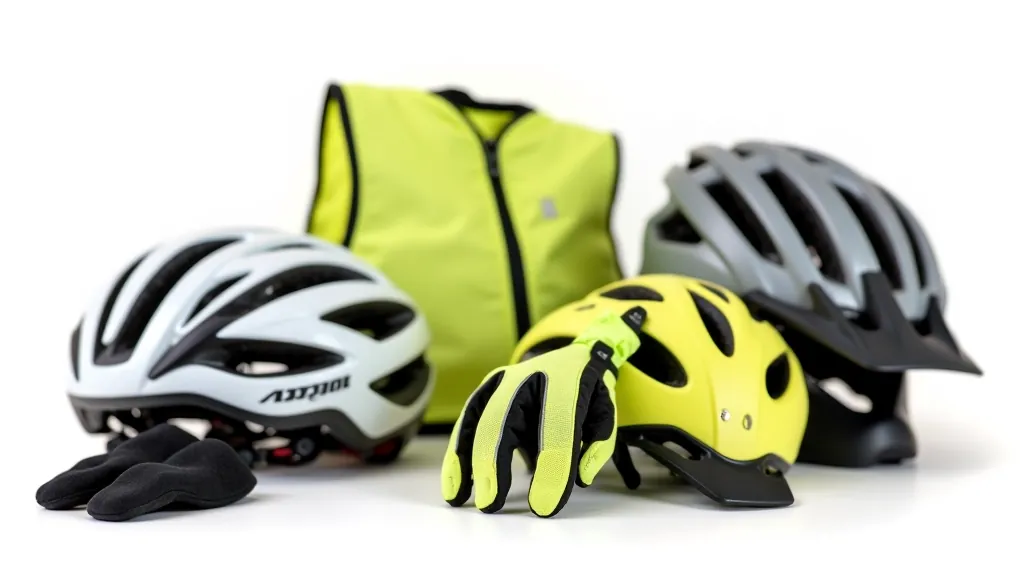
A helmet isn't optional. We're not going to lecture you about safety statistics — you already know they matter. What matters is finding one that actually fits your head and feels comfortable enough that you'll actually wear it. Most people who don't like helmets haven't found the right one yet. The fit should be snug without being tight. It should sit level on your head, not tilted back. A poorly fitting helmet is worse than useless because it gives false confidence.
Gloves do two jobs: they protect your palms if you fall, and they reduce hand fatigue on longer rides. Your hands get numb without proper gloves after about an hour of gripping the handlebars. Good gloves have padding in the palm and fingers where pressure builds up. They also give you better grip if your hands get sweaty. Fingerless gloves work fine for casual short rides, but full-finger gloves offer better protection and comfort on distance rides.
Visibility is serious. A bright helmet, a reflective vest or jacket, and lights make you visible to cars. Don't ride assuming drivers see you — they don't, especially on cloudy days or near dusk. Front and rear lights are cheap and genuinely save lives. A vest costs about €15 and works better than any expensive cycling jersey for visibility.
Sun Protection & Weather Gear: Often Overlooked
You're going to spend hours outside. Sunscreen isn't optional, and cycling-specific sunscreen actually works better than regular stuff because it doesn't sweat off as easily. Apply it 15 minutes before you ride and reapply after two hours if you're going longer. Your forearms and the back of your neck burn faster than anywhere else because they're angled toward the sun.
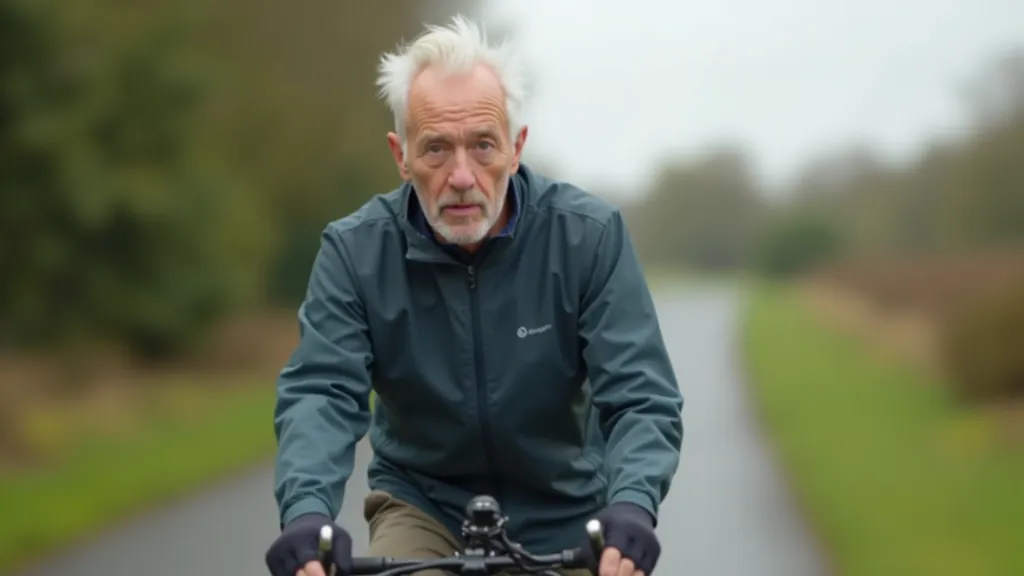
A lightweight rain jacket changes everything on Irish routes. It's not about staying completely dry — that's impossible on a bike — it's about staying warm. When you're moving, even a light rain feels cold without protection. A good jacket packs down small enough to fit in a small bag. Most people who "hate cycling in rain" just haven't found the right gear. Rain-resistant shorts exist too, and they're worth the investment if you're riding year-round.
Arm warmers and leg warmers are genius for shoulder seasons. You can pull them off if you get warm without stopping completely. A lightweight base layer makes an enormous difference on cool mornings. You're not trying to look like a professional cyclist — you're trying to stay comfortable so you actually want to ride regularly.
Tools & Repair Basics: The Practical Stuff
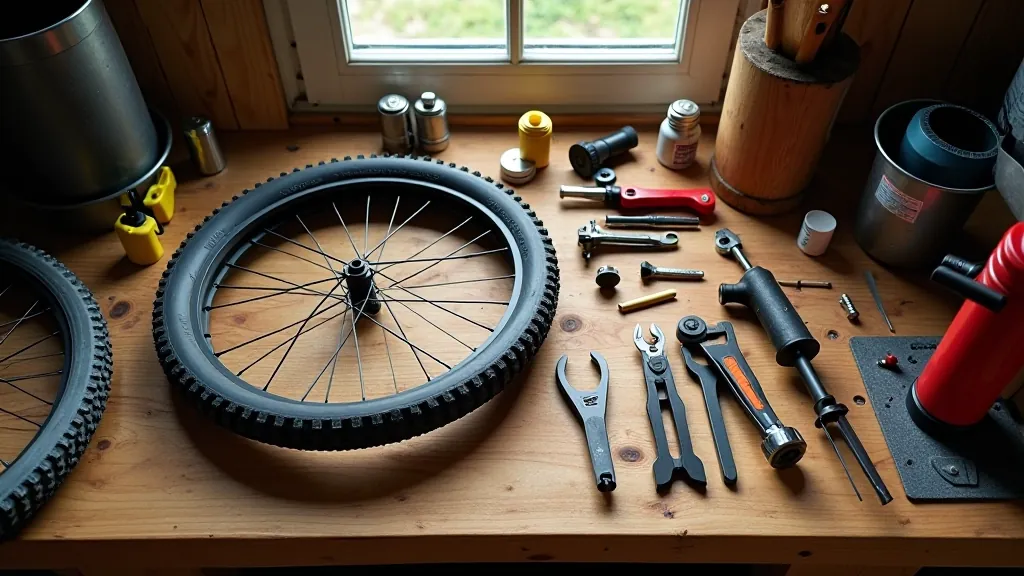
You'll get a flat tire eventually. It happens. A small repair kit that fits in a saddle bag takes up almost no space and saves you from walking home. This means: a spare inner tube, tire levers, and a small pump or CO2 cartridge. You don't need to be a mechanic — YouTube will walk you through patching or replacing a tube. Most flats happen in the first five miles, so a kit on your bike is insurance.
A multi-tool with Allen keys is genuinely useful. Seats slip, handlebars need adjustment, and quick fixes happen all the time. A basic set costs about €10 and weighs almost nothing. Keep it in a small bag under your seat or in a jersey pocket.
Lights deserve their own mention because they're genuinely life-saving. Front lights make you visible and let you see where you're going. Rear lights make you visible to traffic behind you. LED lights last forever and cost less than €20 for a decent set. Don't go cheap on lights — they're the difference between being seen and being invisible.
About This Guide
This article provides general information about cycling gear based on common experience and comfort principles. Everyone's body is different, and what works for one person might not work for another. If you have specific health concerns, existing injuries, or medical conditions, consult with a healthcare professional or physical therapist before starting any cycling program. Gear recommendations here are educational — your individual needs may vary based on your fitness level, riding style, and body composition. Always prioritize safety and listen to your body.
Getting Started: The Honest Truth
You don't need to buy everything at once. Start with the essentials: padded shorts, a good helmet, gloves, and lights. That's maybe €100-150 total. Then add items as you discover what you actually need. Some people love expensive cycling jerseys. Others are happy in regular athletic wear. You'll figure out your preferences after a few rides.
The best gear is the gear that gets you on the bike regularly. If padded shorts cost €60 and that means you're comfortable enough to ride three times a week instead of once, that's money well spent. If arm warmers cost €15 and that means you ride through September instead of stopping in August, that's a good investment.
Don't let perfect be the enemy of good. A €200 bike with proper shorts and a helmet will give you better rides than a €2000 bike without comfort gear. Start simple, ride consistently, and upgrade based on what actually bothers you. That's how real cyclists build their kit — through experience, not through shopping lists.