The Great Southern Greenway Route Guide
A mile-by-mile breakdown of the Limerick to Kerry route. Rest stops, scenic viewpoints, and practical tips for completing the full journey.
What to look for in a beginner-friendly bike, how to adjust your seat properly, and why comfort matters more than speed.

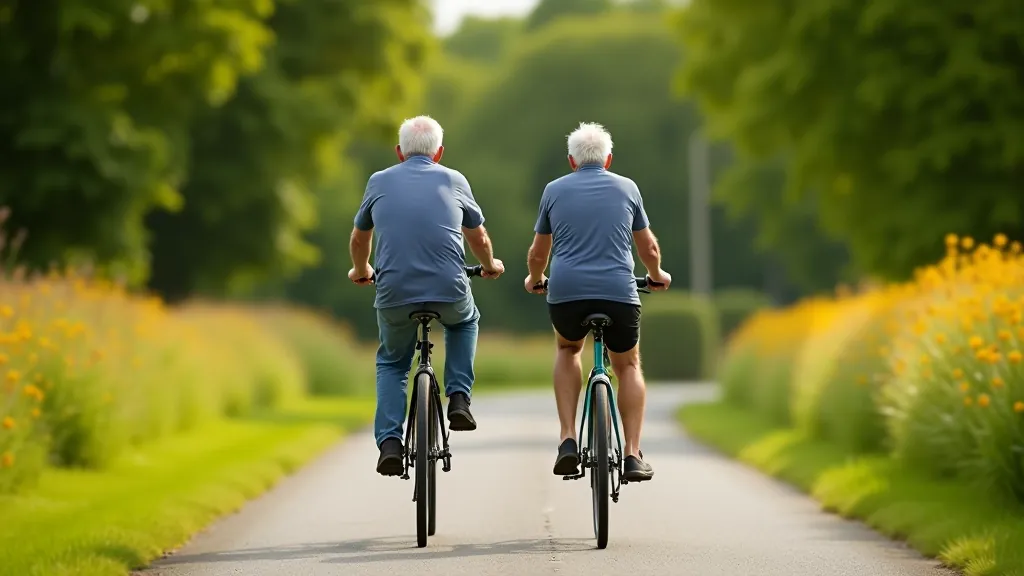
Cycling isn't just for the young. Whether you're 45, 65, or 80, you can learn to ride or get back on a bike. The truth is, your age doesn't matter nearly as much as finding the right bike and taking things at your own pace.
Most people think they need fancy equipment or years of fitness to start. That's not true. You need a comfortable bike that fits your body, a bit of patience, and honest conversations with yourself about what you actually want from cycling. Some folks want to ride to the local cafe on Saturdays. Others dream of tackling the Great Southern Greenway. Both are completely valid.
We've worked with hundreds of adults picking up cycling for the first time or returning after decades away. The common thread? The ones who stick with it are the ones who got the basics right from the start — bike fit, comfortable seating, realistic expectations. That's what we're covering here.
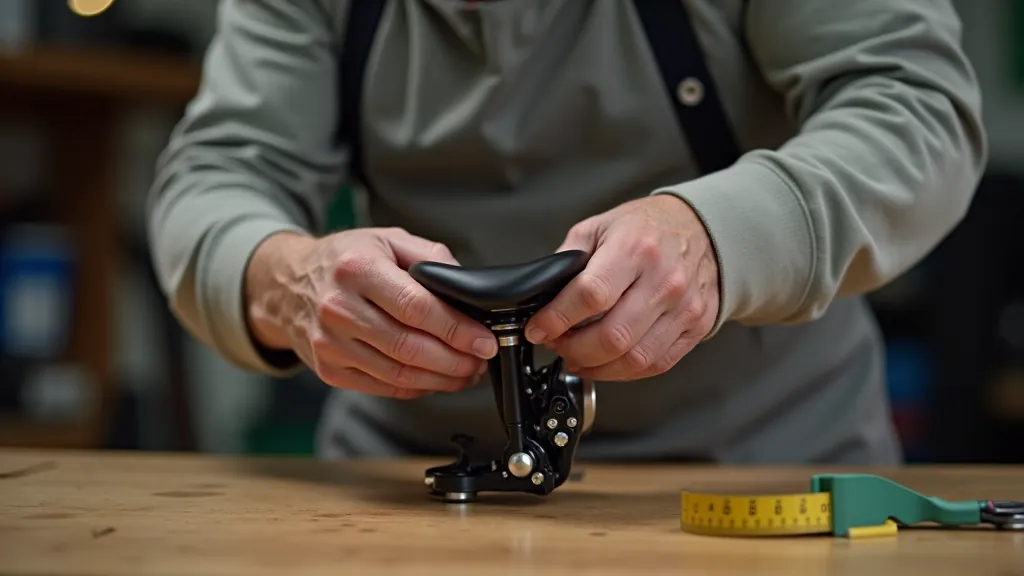
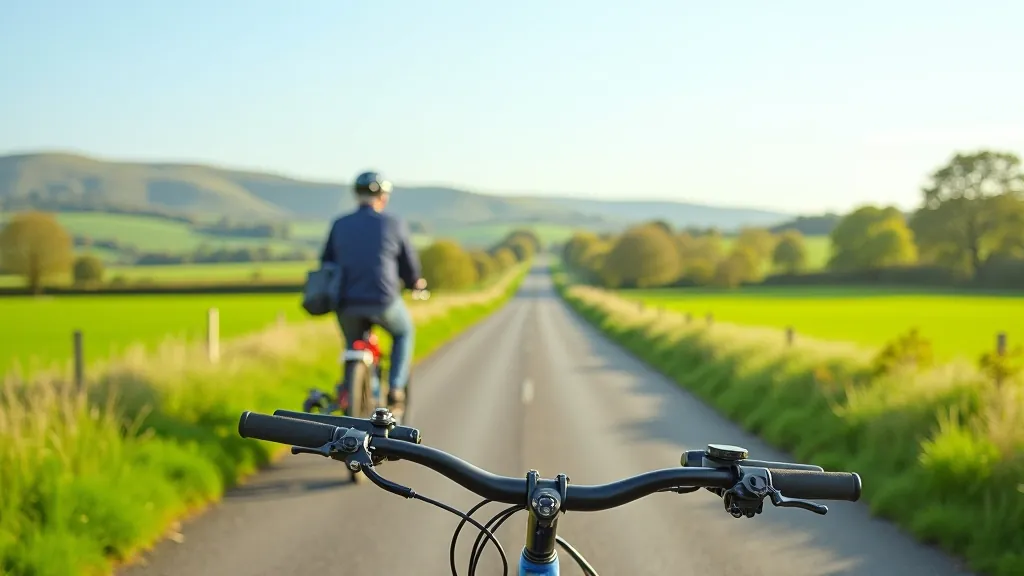
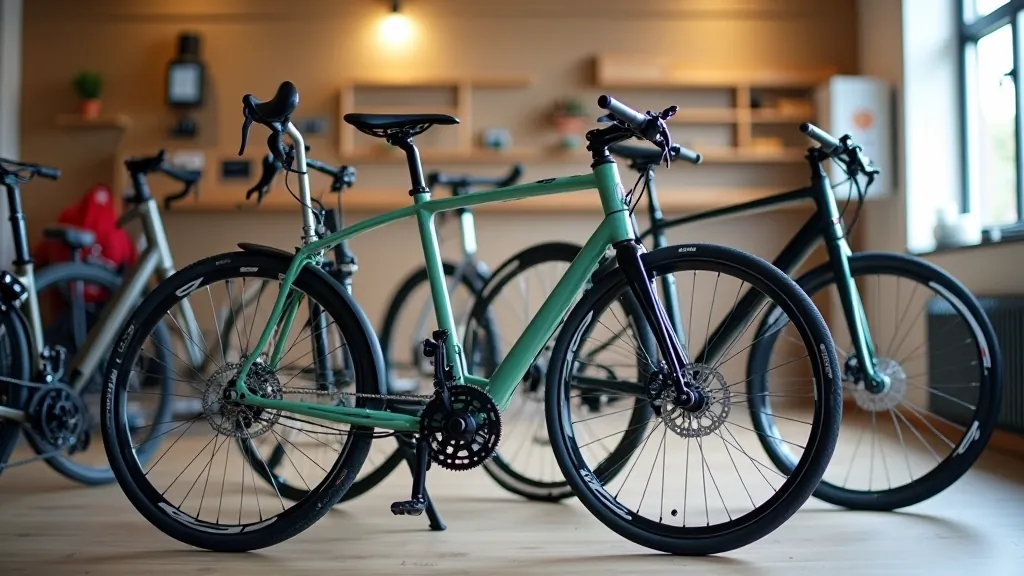
Don't get talked into a racing bike or a mountain bike unless that's actually what you want to do. Most people starting out do better with a hybrid or flat-bar road bike. Why? Upright riding position is easier on your back. You're not hunched over. Your shoulders don't hurt after an hour.
Look for these features when you're shopping:
Don't spend thousands of pounds on your first bike. A decent hybrid or comfort bike runs 300-600 pounds. That's plenty. You can always upgrade later if you fall in love with cycling. Most people find a 15-20kg bike in this range works fine.
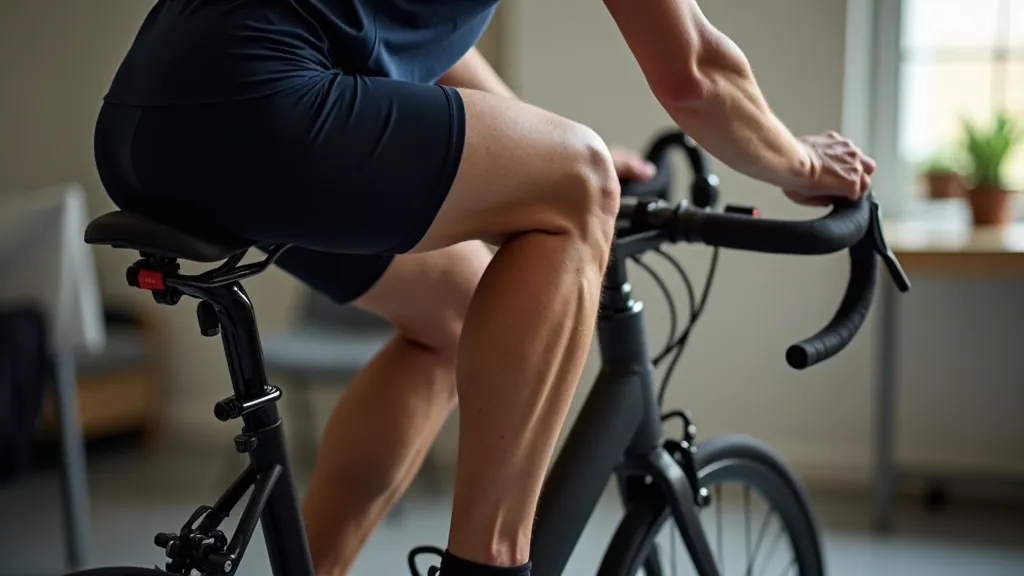
This is where most beginners go wrong. Your seat is either too high or too low, and you don't realize it's causing knee pain or back discomfort until a few weeks in.
Here's the simple test: Sit on the bike. Put one pedal at the lowest point (6 o'clock). Your leg should be almost straight but not locked. There should be a slight bend in your knee — about 25-30 degrees. If your leg is fully extended, the seat's too high. If your knee is sharply bent, it's too low.
Your hips shouldn't rock side to side as you pedal. If they do, lower the seat slightly. And don't be shy about asking staff at a bike shop to help. Most places will adjust it for free when you buy the bike, and it's worth getting right.
If your bike is uncomfortable, you won't ride it. Simple as that. You'll find reasons not to go out. The seat hurts. Your hands go numb. Your neck aches. These are fixable problems, but you've got to address them.
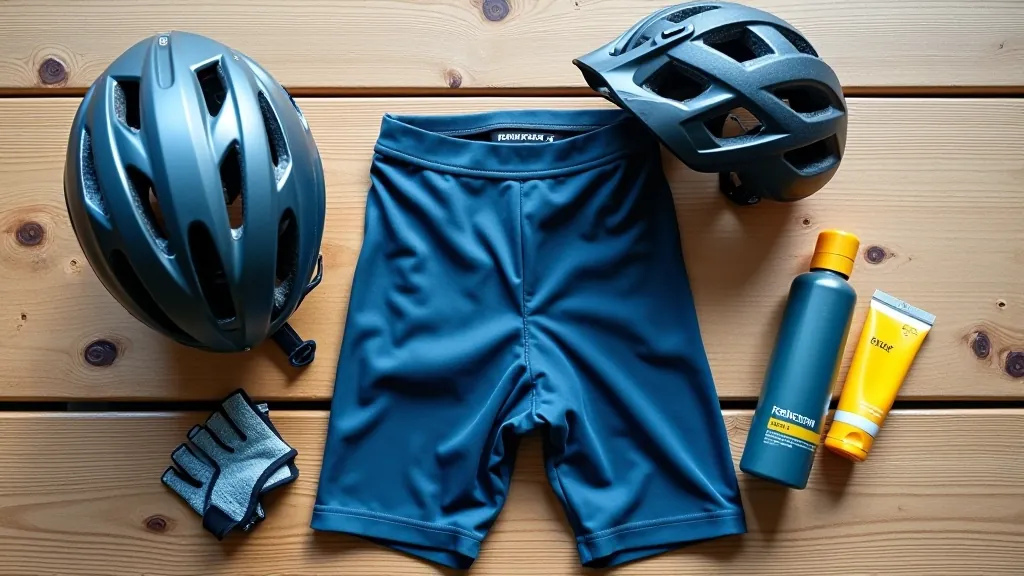
Padded shorts aren't just for serious cyclists. They genuinely reduce soreness on longer rides. You don't need expensive ones — 20-40 pounds gets you decent padding. And yes, your backside will be sore for the first few rides no matter what. That's normal. It passes within a week or two as you adapt.
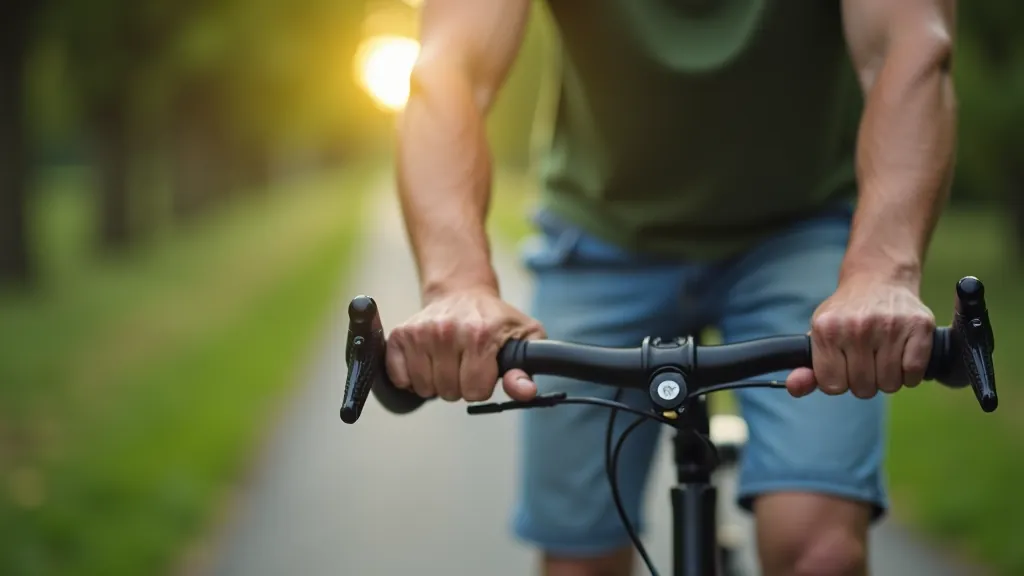
For hand numbness, check two things: your grip pressure (you're probably squeezing too hard) and your handlebar height (should be roughly level with your seat, maybe slightly lower). If you're reaching too far forward, that stresses your hands and shoulders.
Saddle soreness fades. Chronic pain doesn't. Don't push through real pain in your knees, hips, or lower back. That's your body saying something's wrong with your setup. Get it checked.
Start small. A 10-minute ride around your neighborhood is a good first outing. Not 20 kilometers. Not even 5 kilometers necessarily. Just enough to get a feel for the bike and see how you feel afterward.
You'll probably be slower than you expect. That's fine. Cycling isn't about speed when you're starting out. It's about building confidence and enjoying the fact that you're outside moving your body.
Most people can comfortably ride 20-30 minutes within their first month if they're getting out 2-3 times a week. By month three, 45-60 minute rides feel manageable. That's the realistic timeline. Not everyone's the same, but rushing things is how you get injuries.
Bring water. Wear a helmet (seriously). Start on quieter roads or paths while you're building confidence. And don't compare yourself to other cyclists you see. That person doing 50 kilometers wasn't doing that last month either.
This article is informational only and not medical or professional advice. If you have existing health conditions, joint problems, or haven't exercised in many years, consult with your doctor or a physiotherapist before starting a cycling routine. Every person's body is different, and what works for one person might not suit another. Listen to your body, take rest days seriously, and don't push through pain that feels wrong. If you experience chest pain, severe shortness of breath, or dizziness while cycling, stop immediately and seek medical attention.